
Water Damage Restoration
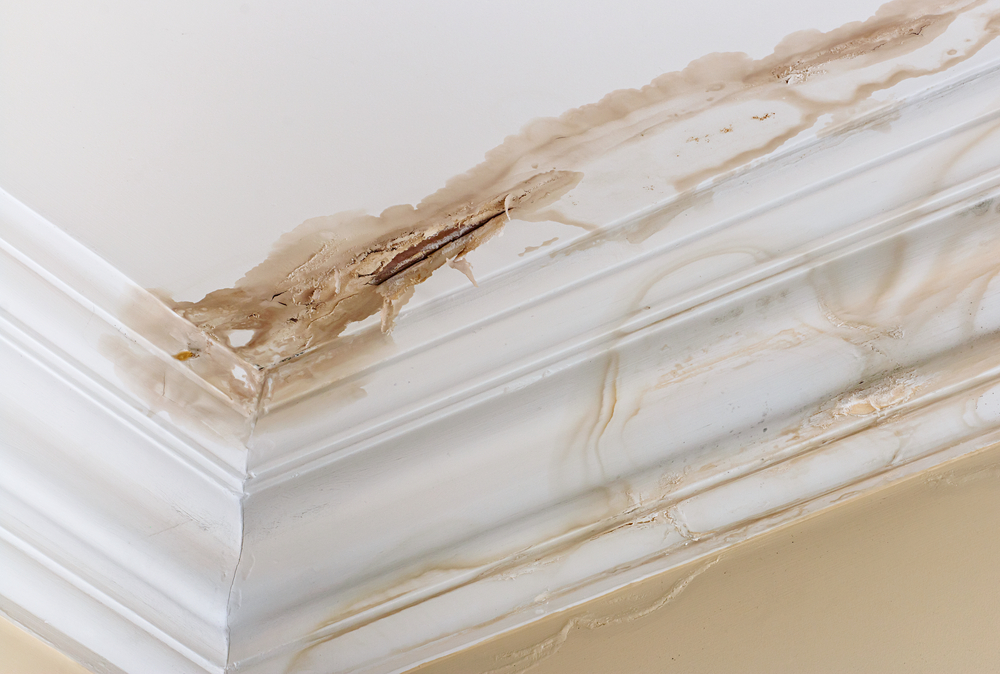
Water Extraction
The water extraction process begins with assessing the affected areas to determine the extent of the water intrusion. Technicians use specialized equipment such as submersible pumps and industrial wet/dry vacuums to remove standing water. High-volume extraction units can also be employed for larger areas. Once the bulk of the water is removed, technicians use moisture detectors and hygrometers to identify hidden pockets of water and ensure thorough extraction. In some cases, it may be necessary to remove carpeting and padding to facilitate drying. The extraction phase is critical to prevent further damage and reduce the risk of mold growth. After extraction, a thorough inspection is conducted to ensure all water has been effectively removed.
Dehumidification
Dehumidification involves reducing moisture levels in the air and affected materials to prevent mold growth and structural damage. Technicians set up commercial-grade dehumidifiers and air movers strategically around the affected area. The dehumidifiers work by pulling moisture-laden air across cold coils, condensing the moisture into water, which is then collected and removed. Air movers help circulate air, speeding up the drying process. Hygrometers are used continuously to monitor humidity levels, ensuring they drop to safe levels. Dehumidification may take several days depending on the extent of the water damage. This process not only protects the property but also creates a safer environment for occupants.
Mold Remediation
Mold remediation starts with a thorough inspection to identify all areas affected by mold growth. Containment is set up using plastic sheeting and negative air pressure to prevent mold spores from spreading to unaffected areas. Personal protective equipment (PPE) is essential for technicians to avoid health risks. Mold-infested materials, such as drywall and insulation, are carefully removed and sealed in plastic bags for disposal. Non-porous and semi-porous materials are cleaned using antimicrobial treatments and HEPA vacuuming. Air scrubbers equipped with HEPA filters are used to remove airborne mold spores. Once remediation is complete, the area is thoroughly dried and dehumidified to prevent future mold growth.
Structural Drying
Structural drying involves removing moisture from building materials like wood, concrete, and drywall to prevent long-term damage. This process starts with an assessment to determine moisture levels using specialized meters and thermal imaging cameras. High-capacity air movers and industrial dehumidifiers are set up to facilitate evaporation and moisture removal. In some cases, controlled demolition may be necessary to access and dry hidden areas. Continuous monitoring ensures that moisture levels are reduced to acceptable standards. The drying process can take several days to weeks depending on the extent of the water damage. Proper structural drying prevents issues such as warping, rot, and weakening of building materials.
Odor Removal
Odor removal in water damage restoration is crucial to eliminate unpleasant smells caused by mold, mildew, and bacteria. Technicians start by identifying the source of the odor and removing any contaminated materials. Cleaning and disinfecting surfaces with antimicrobial agents helps eliminate odor-causing bacteria. Specialized equipment such as air scrubbers, thermal foggers, and ozone generators are used to neutralize odors at a molecular level. Air scrubbers with HEPA filters capture airborne particles, while foggers disperse deodorizing agents throughout the affected area. Ozone generators break down odor molecules but require the area to be vacated during use. The process is repeated until the odors are completely eliminated, ensuring a fresh and clean environment.