
Painting and Wall Treatments
Interior Painting
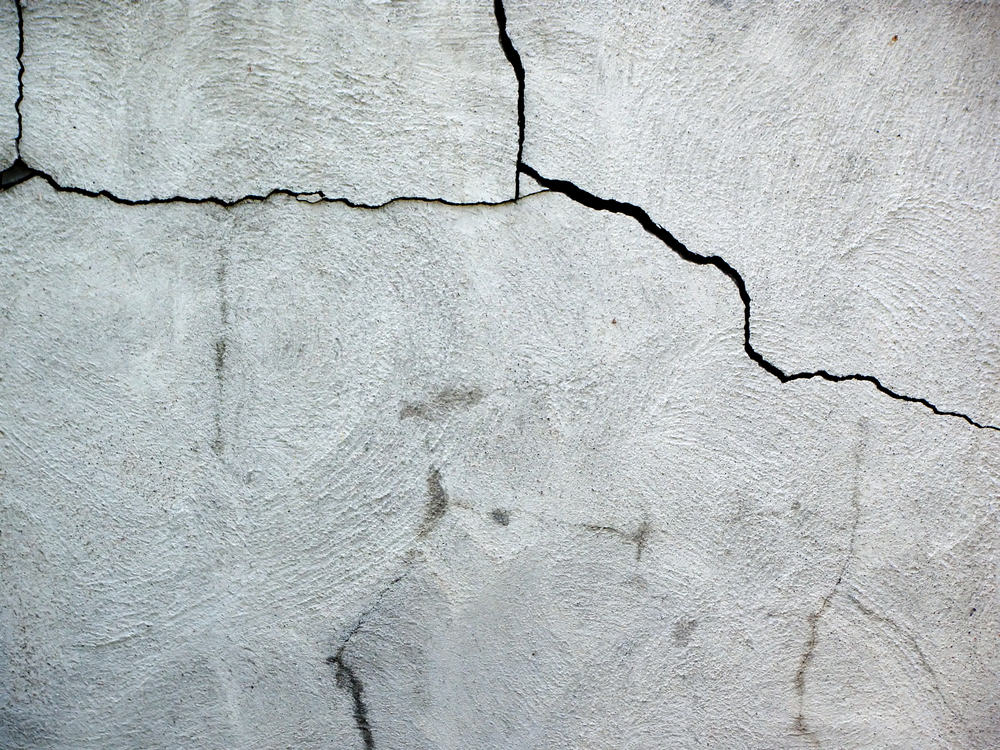
Interior painting begins with thorough preparation, including moving furniture, covering floors with drop cloths, and taping off trim and fixtures to protect them from paint splatters. Walls are then cleaned to remove dust, dirt, and grease, which ensures better paint adhesion. Any holes, cracks, or imperfections in the walls are filled with spackle or joint compound, sanded smooth, and primed if necessary. A primer coat is applied to ensure an even base and improve the paint’s durability and coverage. Once the primer is dry, painters apply the first coat of paint using brushes, rollers, or sprayers, depending on the surface and desired finish. Multiple coats may be necessary to achieve the desired color and coverage, with proper drying time between each coat. After painting, all tape and protective coverings are carefully removed, and the area is cleaned up, leaving a fresh, professionally painted interior.
Wallpaper Installation
Wallpaper installation starts with selecting the appropriate wallpaper for the space, considering factors like pattern, material, and room conditions. The walls are then prepared by removing any existing wallpaper and repairing any imperfections to create a smooth surface. A primer or sizing agent is applied to the walls to ensure better adhesion and easier future removal. The wallpaper is measured and cut into strips, matching patterns where necessary. Each strip is carefully applied to the wall using wallpaper paste or adhesive, starting from the top and smoothing out air bubbles and wrinkles with a wallpaper brush or smoothing tool. Seams are matched precisely to ensure a seamless look. Excess wallpaper is trimmed at the edges and around fixtures. Once all the wallpaper is applied, it is left to dry completely, and any remaining adhesive is cleaned off, resulting in a beautifully finished wall treatment.
Textured Wall Finishes
Creating textured wall finishes begins with preparing the wall surface by cleaning it and repairing any imperfections. A base coat of paint or primer is often applied to ensure good adhesion. Various techniques and tools, such as brushes, rollers, sponges, or trowels, are used to apply the texture. Common methods include applying joint compound or textured paint directly to the wall, using stencils or stamps to create patterns, or applying multiple layers of paint with different tools to achieve the desired effect. Each technique requires different drying times and may involve sanding or additional layers to refine the texture. Once the texture is applied and dried, it can be painted over with the desired color to enhance the visual effect. The result is a unique, tactile wall finish that adds depth and character to a room.
Drywall Repair and Patching
Drywall repair and patching start with identifying and assessing the extent of the damage. Small holes and cracks are filled with spackle or joint compound, smoothed with a putty knife, and sanded once dry. Larger holes require more extensive repairs, often involving cutting out the damaged section and fitting a new piece of drywall into the opening. The new piece is secured with drywall screws and covered with joint tape and compound to blend it seamlessly with the surrounding wall. Multiple layers of joint compound may be applied, with each layer sanded smooth after drying. The repaired area is then primed and painted to match the existing wall color and texture. Proper drywall repair restores the wall’s integrity and prepares it for any additional treatments like painting or wallpapering.
Accent Wall Design
Designing an accent wall begins with selecting the wall to feature and choosing a design that complements the room’s overall decor. This could involve using bold paint colors, wallpaper, wood paneling, or other decorative materials. Preparation involves cleaning the wall and making any necessary repairs to ensure a smooth, clean surface. If painting, the area is taped off to protect adjacent walls, ceilings, and trim. For more intricate designs, like geometric patterns or murals, stencils or painter’s tape may be used to outline the design. Materials are then applied with precision, ensuring even coverage and adherence to the design plan. Once the primary work is completed, finishing touches like touch-ups and detailing are added to perfect the look. The result is a visually striking accent wall that enhances the room’s aesthetic appeal and serves as a focal point.